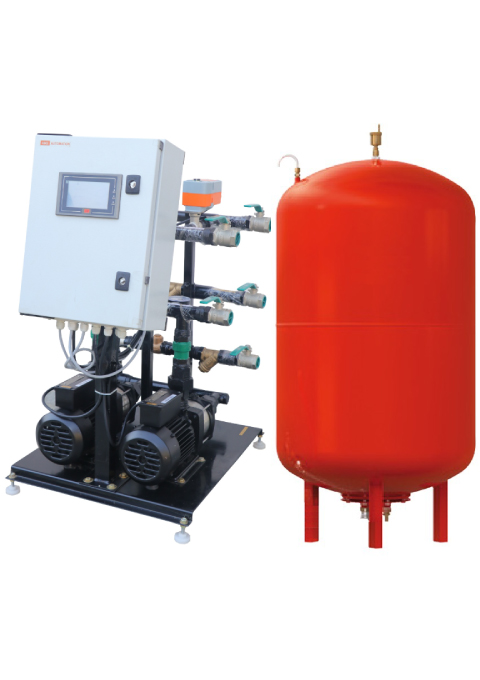
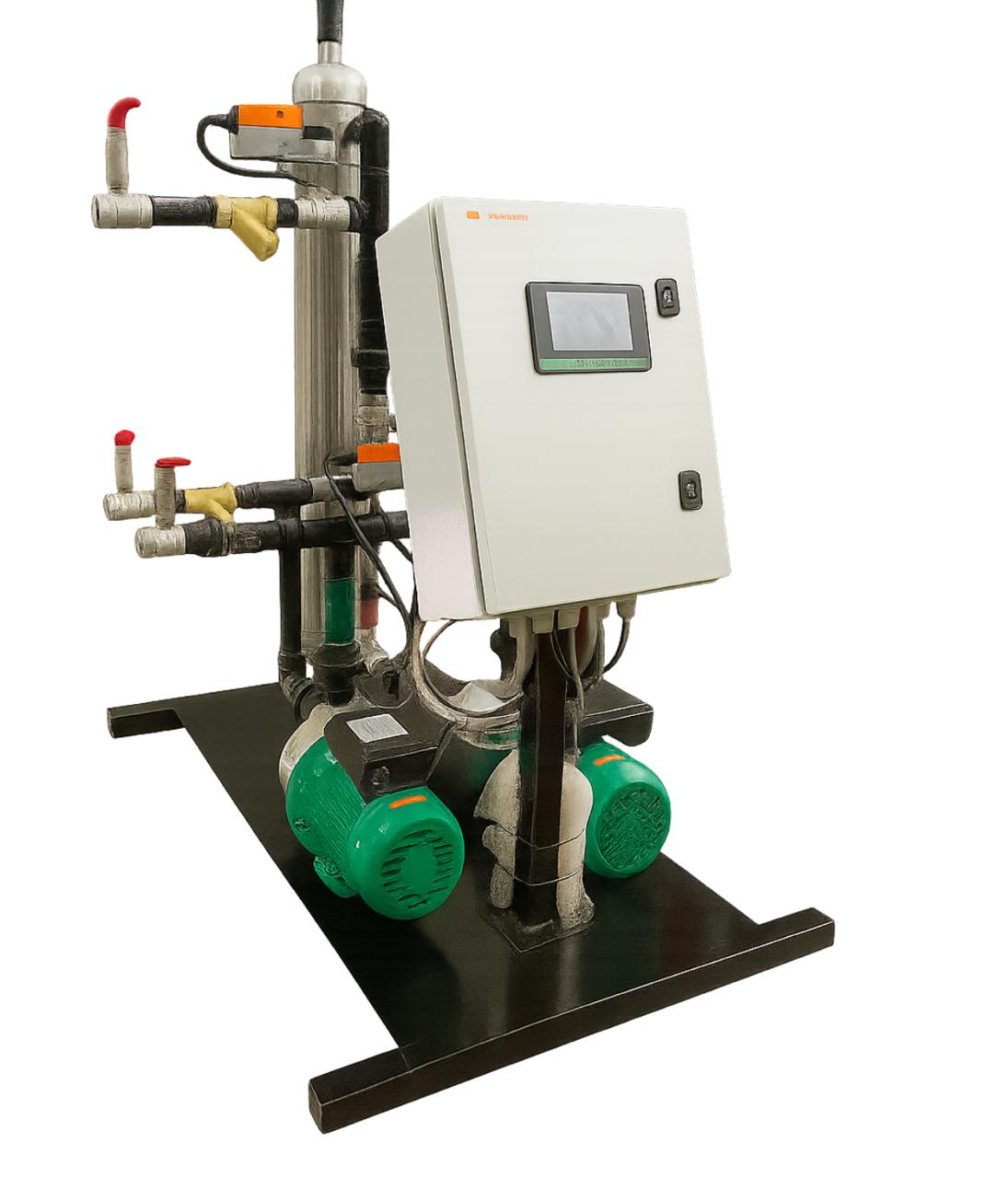
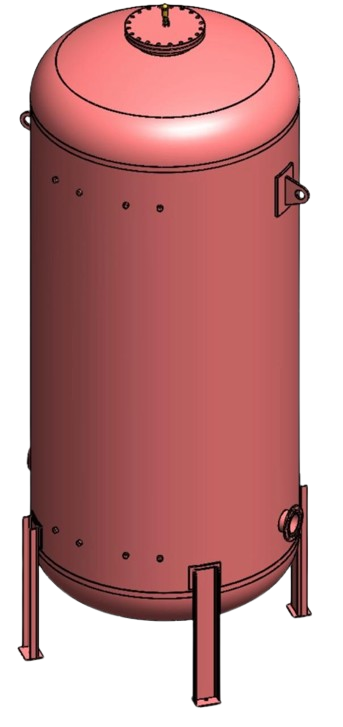
Unpressurized Expansion Tank Cum Degasser System

Technical Specifications

Vessel Material

High-durability Mild Steel (MS) or Stainless Steel

Degassing and Makeup

Automatic Degassing and Makeup the chilled / Hot water circuit

Control System

Digital display for system pressure, tank level, flow rate, power

Connectivity

Modbus RS 485 Connectivity for BMS

Key Features & Benefits

Stable System Pressure

Maintains constant pressure, reducing stress on piping and equipment compared to pressurized tanks

Integrated Degassing

Inbuilt degasser eliminates the need for separate air separators and removes dissolved air efficiently

Improved Bladder Safety

Unpressurized design enhances bladder durability

Compact Design

Requires minimal space and replaces multiple components like tanks, pumps, and separators

Cost-Effective Solution

Highly economical for large plants and high-rise buildings where traditional systems become expensive
Applications

Large-Scale Chilled Water Plants Variable-Flow (VSF) Cooling Systems High-Rise Commercial & Residential Towers Critical Data Center Cooling Infrastructure

Vacuum Degasser

Technical Specifications

low pressure

It can work at low pressure (>0.8bar) also

Works on Henry’s law

Works on Henry’s law that dissolved gas is proportional to its partial pressure above the liquid

Controller

Digital display for system pressure, tube pressure, flow rate, degass volume, make up volume

Connectivity

Modbus Connectivity for BMS

Key Features & Benefits

Eliminates Gas-Related Corrosion

Removes dissolved oxygen to prevent internal rusting, extending system life.

Maximizes Heat Transfer

Gas bubbles removed for 100% efficiency in radiators and cooling coils.

Silent System Operation

Eliminates rushing or clicking noises caused by trapped air pockets.

Automatic Make-up Integration

Degasses new water before entering system, preventing oxygen introduction.

Plug-and-Play Installation

Compact floor-mounted units, easy to retrofit into existing plant rooms.

Applications

Large-Scale District Heating & Cooling High-Rise Residential & Commercial Buildings

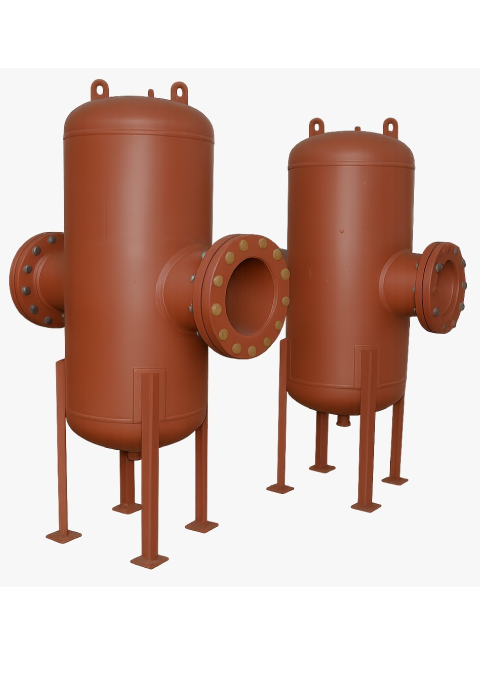
Air and Dirt Separator

Technical Specifications

Body Material

High-grade Mild Steel (MS) / Stainless Steel (SS304)

Pressure Rating

Max. admissible pressure, PN 16 and PN 20

Connection Sizes

Flange According: IS 6392 – 1971

Temperature

0 C to 100C

Media

Non-aggressive and non-toxic system media

Key Features & Benefits

Dual Protection

Micro-bubble de-aeration & dirt separation in a single unit, saving space and cost.

System Longevity

Protects boilers, chillers, and pumps from abrasive particles & corrosion.

Improved Heat Transfer

Removes air pockets & sludge for 100% heat exchanger efficiency.

Low Maintenance

Self-cleaning element; flush sediment periodically without stopping the system.

Quiet Operation

Eliminates gurgling noises and whistling in HVAC systems.

Applications

Commercial Chilled Water Loops Industrial Boiler Feed Systems High-Rise Building HVAC Process Cooling Systems

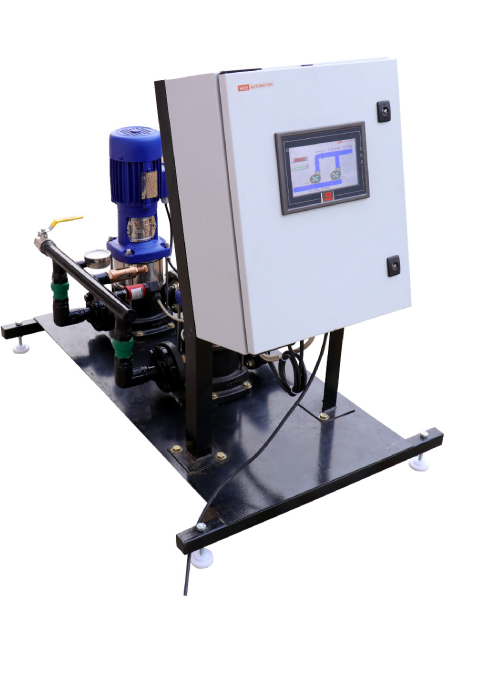
Pressurization Units

Technical Specifications

System Type

Compact Floor / Wall Mounted

Pump Configuration

Single (Duty) / Twin (Duty-Standby)

Control Interface

Large Display, easy operate and more informative

Safety Features

High/Low Pressure & Dry-Run Protection

Key Features & Benefits

Automated Pressure Maintenance

Automatically maintains system pressure without manual intervention.

Leak Detection

Identifies abnormal filling cycles to detect potential pipeline leaks.

Compact Design

Designed for easy installation in space-constrained plant rooms.

System Protection

Prevents vacuum conditions and protects pumps from cavitation.

Energy Efficient

Optimized controls ensure pumps run only when required.

Applications

Commercial HVAC Systems District Heating Networks Data Center Cooling Industrial Process Water Loops

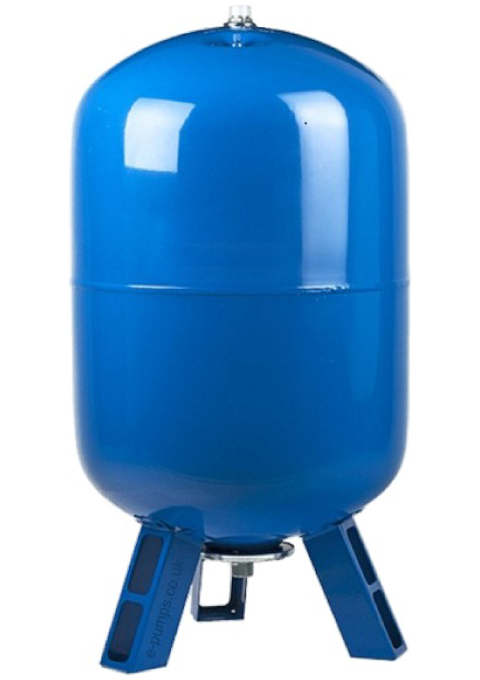
Pressurized Closed Expansion Tank

Technical Specifications

Pressure Rating

PN 10 / PN 16

Temperature Range

-05°C to 70°C

Pre-Charge

2 Bar (Factory Set)

Vessel Material

Mild Steel / SS304

Membrane

Heavy-duty EPDM

Why Choose Our Expansion Tanks?

Corrosion Protection

Prevents oxygen mixing, extending system life.

Efficient Air Venting

Maintains stable pressure for smooth operation.

Stable Performance

Eliminates noise, vibration, and pump issues.

Compact Design

Flexible installation in tight mechanical spaces.

Applications

Centralized Heating HVAC Systems Industrial Cooling Pressure Boosting

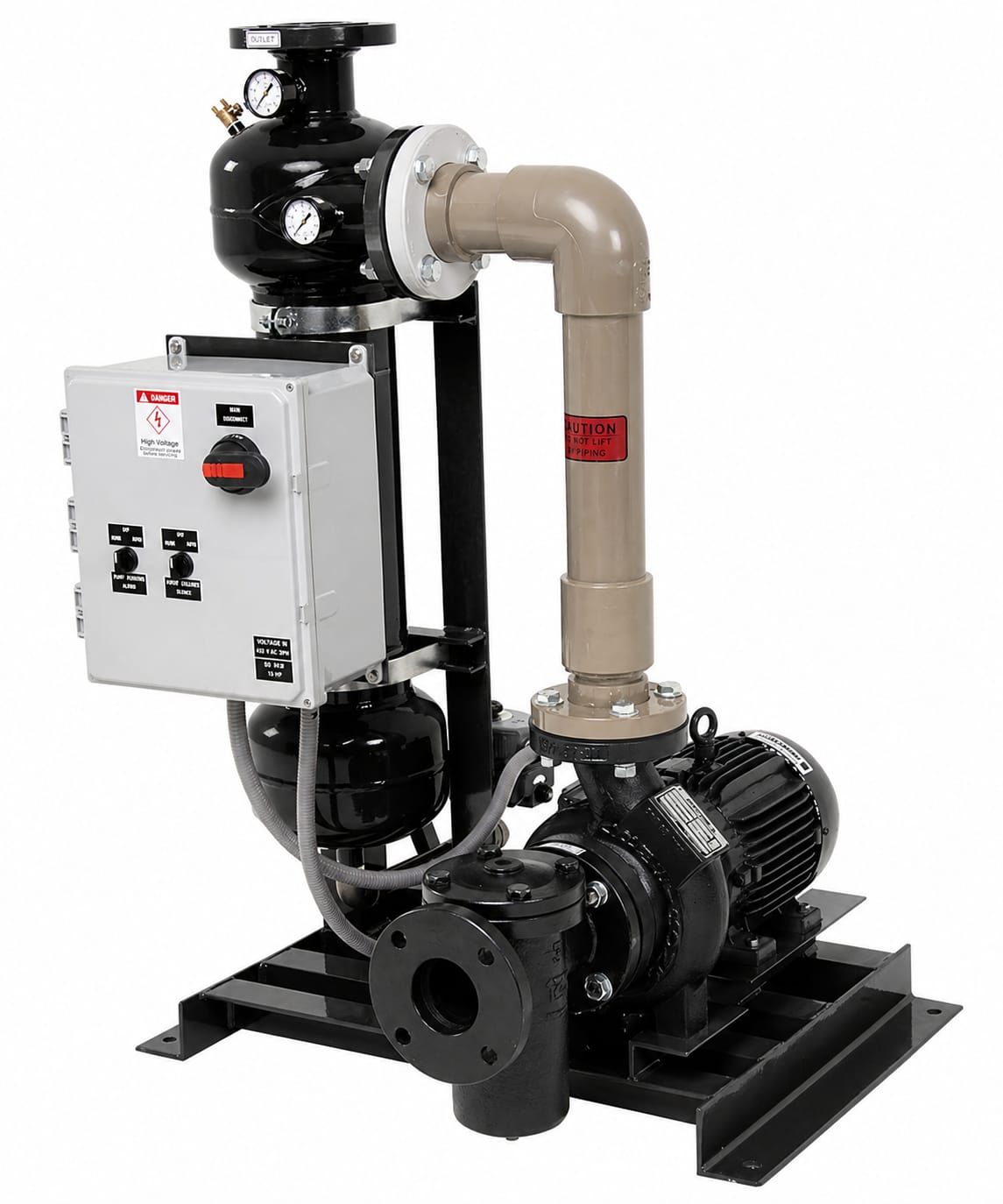
Side Stream Filtration System

Technical Specifications

Separator Type

Hydro cyclone Separator

Separation Efficiency

98% separation efficiency for particles up to 40 microns having a SG of 2.6

Pump Type

Close-coupled, end-suction centrifugal pump with Cast iron body with a Bronze impeller

Motor Type

TEFC (Totally Enclosed Fan Cooled) Motor

Control Panel Rating

IP55

Components Included

End-suction pump, Hydro cyclone separator, suction guide, and interconnecting piping

Connectivity

BMS Compatible

Key Features & Benefits

Continuous Filtration

Diverts 5–10% of circulating water to remove dirt, sand, and suspended solids without interrupting the main flow

Basin Cleaning

Includes Sweeper Jets designed to sweep the cooling tower basin and prevent solids from settling

Automated Maintenance

Equipped with an automatic purge system featuring an electrically actuated spring-return ball valve

Safety Protections

Built-in motor short circuit/overload protection and pump dry-run protection

Plug-and-Play Design

All components are factory-mounted on a compact steel frame for easy installation

Smart Controls

Microprocessor-based panel with a display, programmable timers, and HOA (Hand-Off-Auto) switching

Applications

Large-Scale Chilled Water Plants Cooling Systems Cooling tower or HVAC systems Critical Data Center Cooling Infrastructure

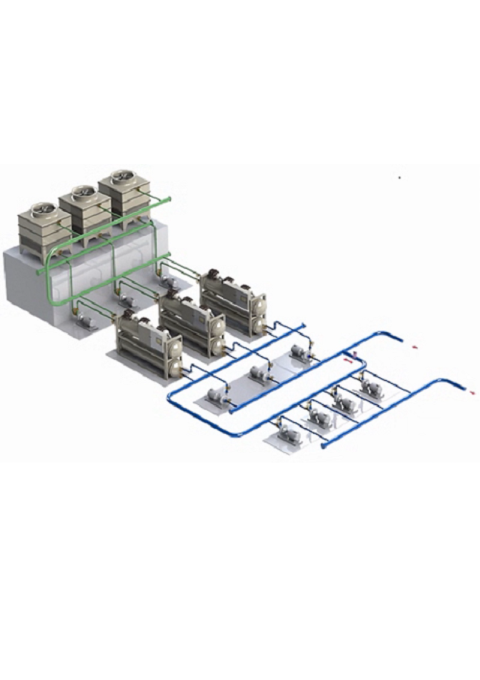
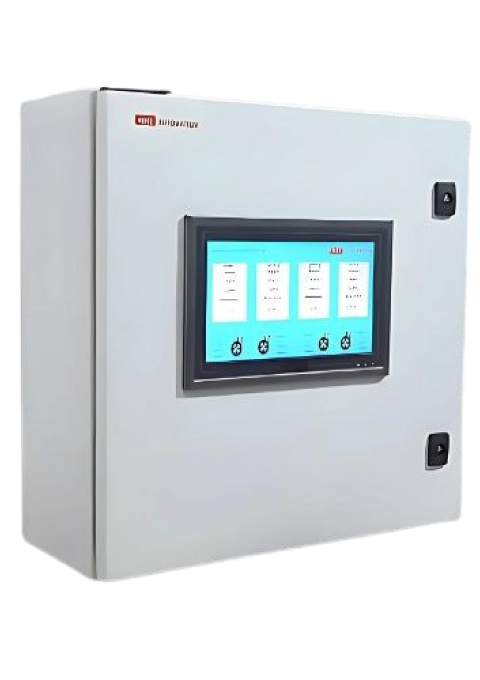
Chiller Plant Optimiser

Technical Specifications

Sequencing Logic

Advanced algorithms for Equal Run-Hour or Efficiency-Based sequencing

Monitoring & Controlling

Contains a pre-programmed DDC system and touch panel for monitoring and controlling

Interface

High-resolution Touchscreen HMI for local monitoring and control

Data Logging

Internal memory for historical performance and energy reporting

Key Features & Benefits

Intelligent Sequencing

Automatically starts/stops chillers based on actual cooling load, preventing short-cycling.

Maximum Energy Savings

Runs chillers at peak efficiency (part-load ratio), reducing utility bills.

Automatic Fail-Safe

Detects chiller/pump faults and starts standby units instantly.

Comprehensive Monitoring

Single dashboard for chilled water temps, flow rates, pump status, and energy performance.

Applications

Large-Scale Commercial Malls & Office Towers Industrial Cold Storage & Food Processing Hospitals & Pharmaceutical Labs Critical Data Center Cooling Plants

Variable Pump Optimiser

Technical Specifications

Safety

VFD or Sensor failure alarm

Interface

User-friendly Digital Display or Touchscreen HMI for real-time monitoring

Communication

RS 485 Modbus connectivity with BMS

Key Features & Benefits

Significant Energy Savings

Adjusts pump speed to match demand, reducing electricity consumption by up to 50%

Maintains Critical Pressure

Ensures the most distant cooling coil receives adequate flow without over-pressurizing pipes

Soft-Start Technology

Gradually ramps pump speeds, reducing mechanical stress and extending component life

By pass valve

It control By pass valve to save pumping energy and chiller low flow protection

Automatic Redundancy

Rotates lead pump to equalize wear and starts standby pumps if faults are detected

Applications

Variable Primary Flow (VPF) Systems Secondary Chilled Water Pumping Loops High-Rise Building Booster Systems Industrial Process Cooling & Circulation

Temperature, RH, and Pressure Control System

Technical Specifications

Controller Type

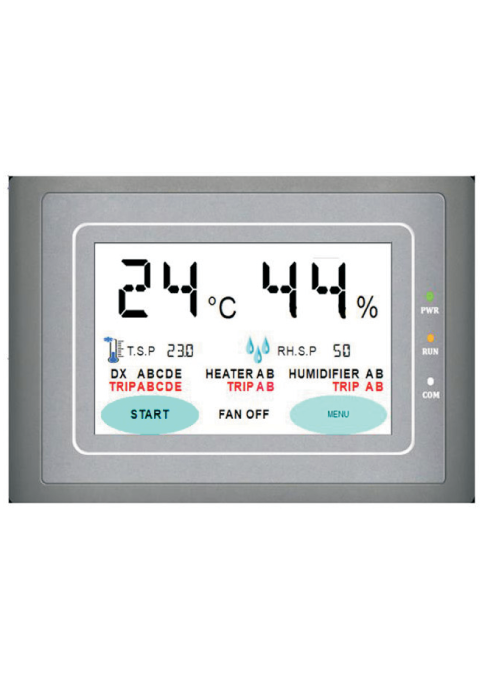
Microprocessor-based AHU Controller with a digital display interface

Integrated Equipment Control

Manages motorized valves, heaters, VFDs, humidifiers, and de-humidifiers

Sensors

Compatible with Temperature, RH, and Differential Pressure sensors

Control Mode

Simultaneous all-weather program for year-round environmental stability

Outputs

Multi-channel control for modulating actuators and on/off equipment

Key Features & Benefits

Simultaneous All-Weather Control

Manages every AHU component to adjust temperature and humidity in harmony

Precise Room Pressure Maintenance

Regulates fan speeds and dampers to maintain specific positive/negative pressures

Energy-Efficient AHU Operation

Prevents overheating or overcooling, reducing energy load on central plant

Automated RH Management

Cycles humidifiers and cooling coils to keep relative humidity in ideal range

User-Friendly Monitoring

Digital display provides real-time feedback for instant adjustments

Applications

Pharmaceutical Cleanrooms & Labs Hospital Operating Theaters & Isolation Rooms Commercial Offices & Luxury Hotels Data Center Environmental Control

Smart Cooling Tower Optimizer

Technical Specifications

Control Logic

Comparative Wet-Bulb vs. Leaving Water Temp (LWT)

Optimization Parameters

Adjustable Cooling Tower Approach & Minimum Outlet Temp

Output Control

Fan Speed Modulation (VFD compatible) and Fan Staging

Inputs

Ambient Wet-Bulb Sensor, Outlet Water Temp Sensor, Flow Status

Compatibility

Single and multi-cell cooling tower configurations

Key Features & Benefits

Intelligent Control Algorithm

Automatically compares leaving water temperature (LWT) with ambient wet-bulb temperature to determine the most energy-efficient operating state

Variable Speed & Stage Management

Precisely regulates the speed of individual fans or determines the optimal number of fans to operate simultaneously

Optimized Thermal Performance

Allows users to set a minimum outlet temperature and a specific “cooling tower approach” to ensure peak heat exchange efficiency

Energy Savings

Significantly reduces electrical consumption by preventing over-cooling and avoiding unnecessary high-speed fan operation

Extended Equipment Life

Reduces mechanical wear and tear on fan motors and drives through smoother transitions and optimized run-times

Applications

HVAC Systems Industrial Process Cooling Power Plants Refrigeration Plants
WhatsApp