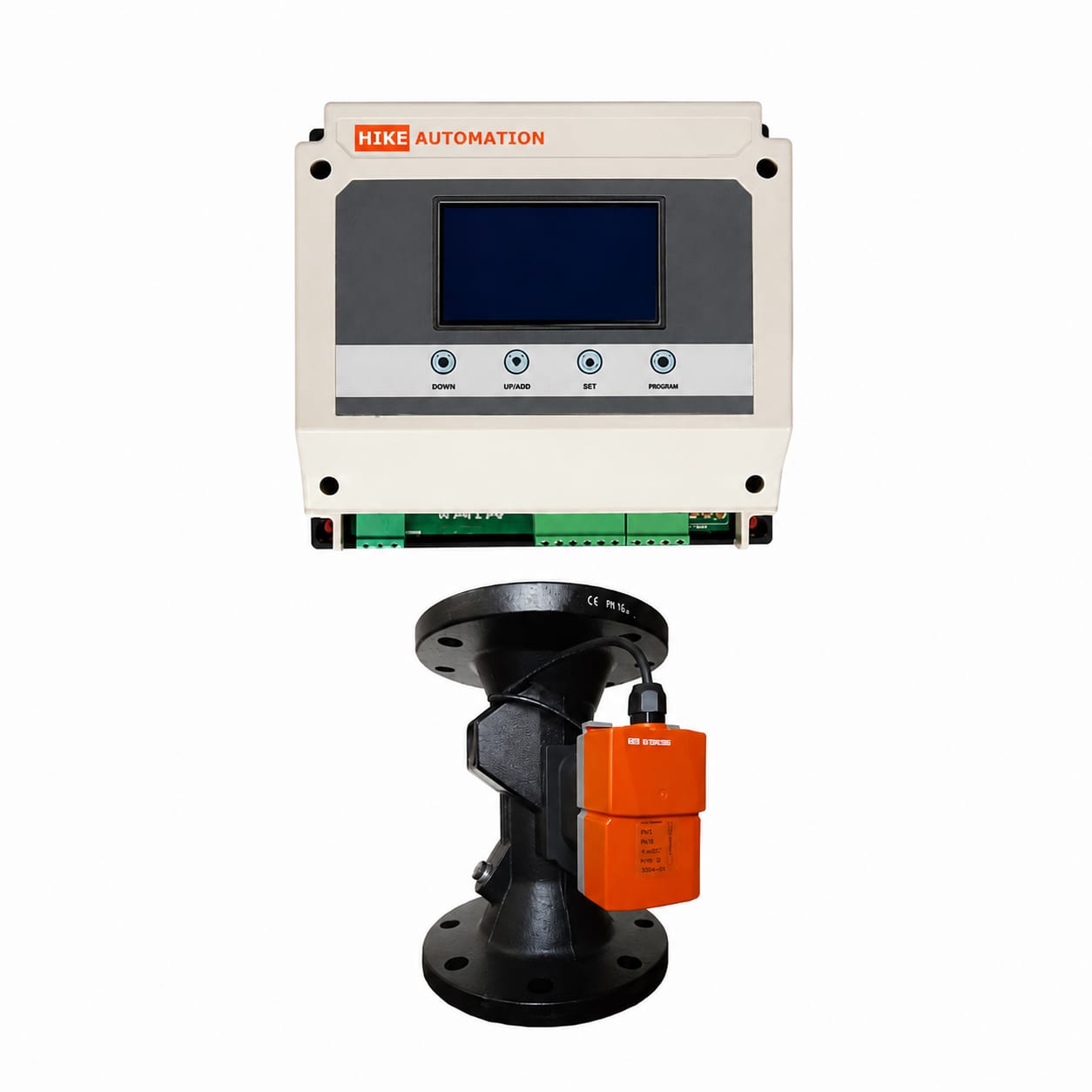
Smart Cooling Tower Optimizer

Technical Specifications

Control Logic

Comparative Wet-Bulb vs. Leaving Water Temp (LWT)

Optimization Parameters

Adjustable Cooling Tower Approach & Minimum Outlet Temp

Output Control

Fan Speed Modulation (VFD compatible) and Fan Staging

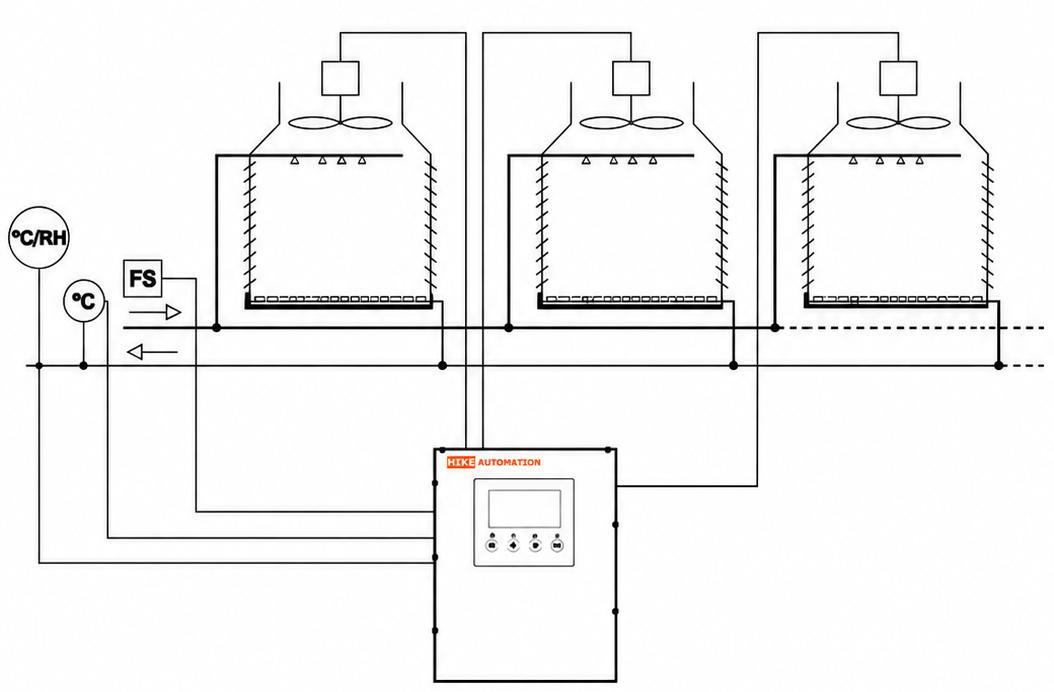
Inputs

Ambient Wet-Bulb Sensor, Outlet Water Temp Sensor, Flow Status

Compatibility

Single and multi-cell cooling tower configurations

Key Features & Benefits

Intelligent Control Algorithm

Automatically compares leaving water temperature (LWT) with ambient wet-bulb temperature to determine the most energy-efficient operating state

Variable Speed & Stage Management

Precisely regulates the speed of individual fans or determines the optimal number of fans to operate simultaneously

Optimized Thermal Performance

Allows users to set a minimum outlet temperature and a specific “cooling tower approach” to ensure peak heat exchange efficiency

Energy Savings

Significantly reduces electrical consumption by preventing over-cooling and avoiding unnecessary high-speed fan operation

Extended Equipment Life

Reduces mechanical wear and tear on fan motors and drives through smoother transitions and optimized run-times
Applications

HVAC Systems Industrial Process Cooling Power Plants Refrigeration Plants

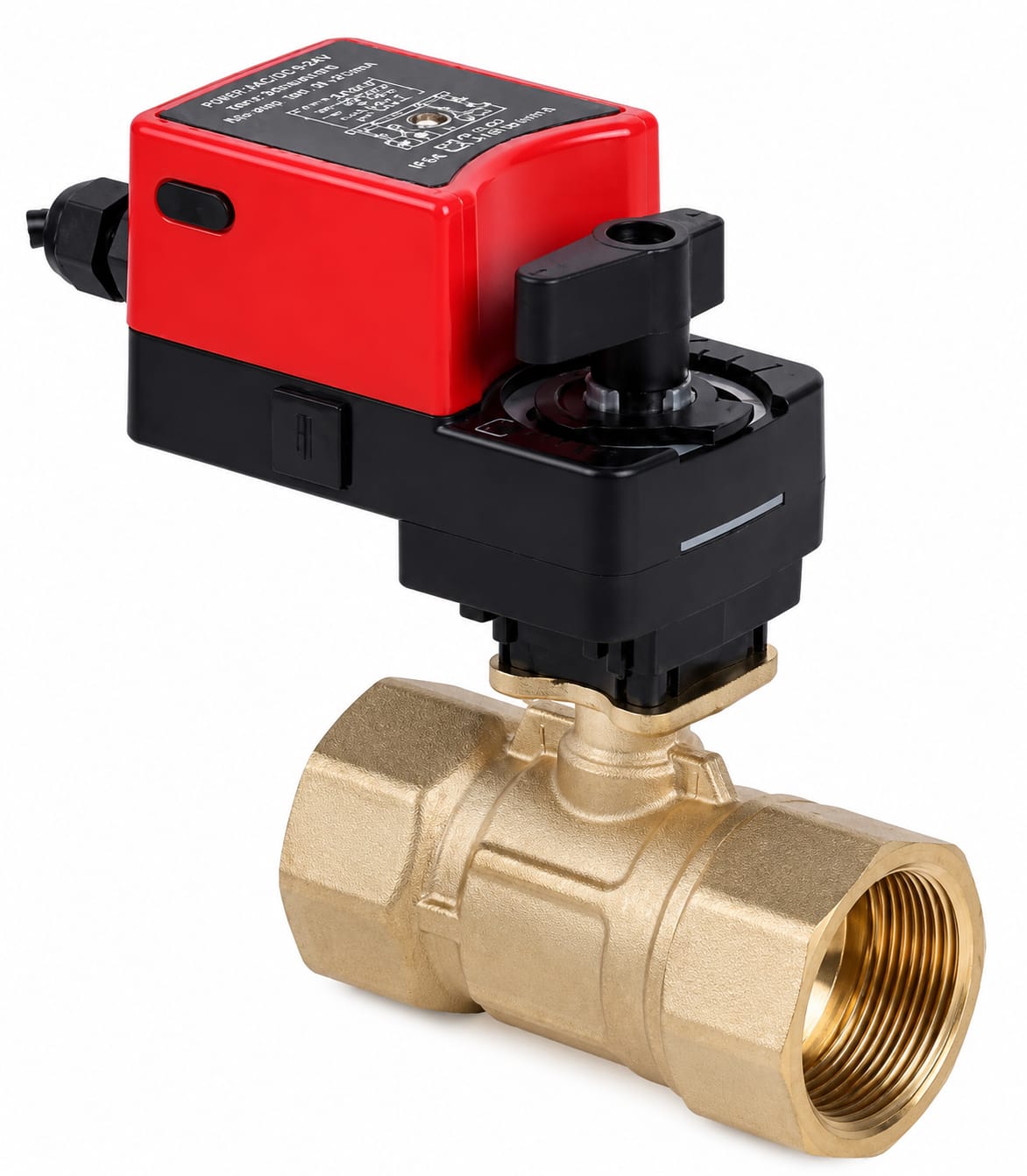
Pressure Independent Valve

Technical Specifications

Control Logic

Microprocessor-based digital control with real-time ΔT (Delta-T) measurement, ensuring true pressure-independent operation

Low Pressure drop

It can be selected at 0.1 bar

Communication

RS 485 Modbus

Body Material

Available in forged brass or ductile iron construction, depending on pipe size

Key Features & Benefits

Dynamic Balancing

Automatically adjusts to pressure changes in the system, maintaining constant flow and eliminating the need for manual balancing valves

High Accuracy

The electronic sensor provides precise, real-time flow data, allowing transparency in system performance

Simplified Commissioning

Valve handles balancing electronically, reducing setup time from days to minutes during building handover

Maintenance Alerts

Built-in diagnostics alert facility managers if the valve is stuck or if flow is blocked, preventing hot/cold spot complaints

Applications

AHU (Air Handling Unit) Cooling Coils Variable Primary Flow Systems

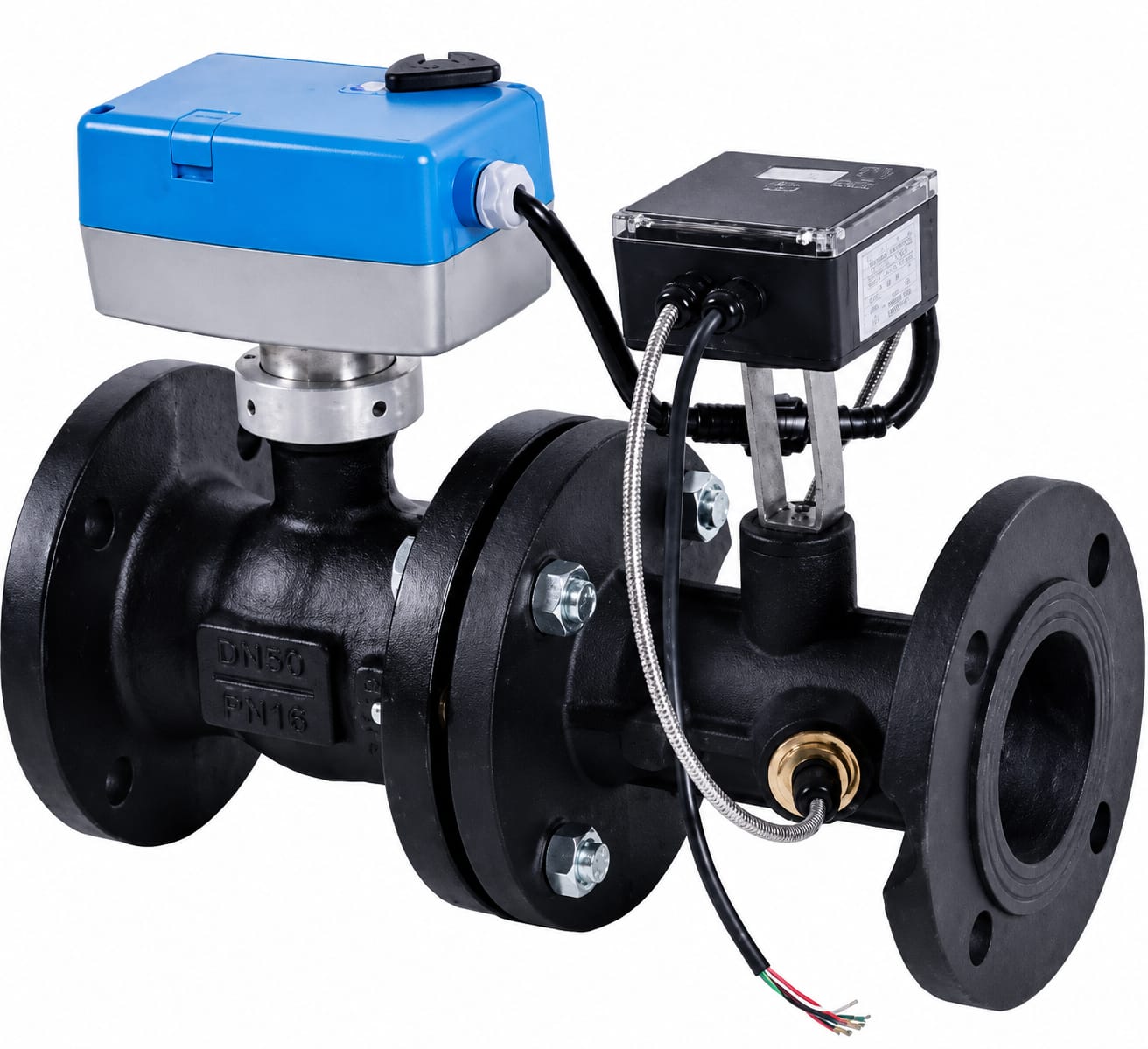
BTU Meter Cum 2-way PICV Valve

Technical Specifications

Valve Component

Integrated Two-Way Pressure Independent Control Valve (PICV) for high controllability

Sensing Technology

Built-in Flow Meter and matched Temperature Sensors for real-time data

Control Logic

Dynamic balancing logic designed to maintain stable Return Air Temperature

Measurement Metrics

Calculates and displays both Energy Rate (instantaneous) and Energy Total (cumulative)

Communication

Compatible with BMS protocols like Modbus for remote data logging

Key Features & Benefits

Intelligent Flow Balancing

Automatically adjusts water flow based on inlet/outlet, maximizing coil efficiency

Precise Energy Monitoring

Serves as a full BTU meter, providing accurate energy measurement for auditing or billing

Pressure Independence

Maintains required flow rate regardless of pressure fluctuations, no extra balancing valves needed

Return Air Temp Maintenance

Prevents “Low Delta-T Syndrome,” optimizing chiller plant performance

Compact, All-in-One Design

Combines multiple components in a single flanged unit, reducing space, installation time, and leak points

Applications

AHU & FCU Systems Commercial Energy Billing & Sub-metering Variable Primary/Secondary Flow Systems High-Performance Green Building Projects

Thermal Energy Metering & Control

Technical Specifications

Sensing Elements

High-precision Ultrasonic flow sensing and NTC Thermistor temperature sensors

Measurement Range

Temperature range of 0 to 50°C with flow rates sized per application

Measurement Units

Provides data in Mbtu (Heat Total), TR (Heat Rate), and GPM (Flow Rate)

User Interface

3-inch color display with touch buttons for easy onsite operation

Power & Safety

Operates on 24Vac/dc with power-fail data retention and password protection

Connectivity

Optional RS 485 Modbus connectivity and 2–10Vdc balanced analogue output for valve control

Key Features & Benefits

Precise Energy Billing

Enables energy billing based on actual consumption, ensuring transparency for both facility managers and tenants

Energy Saving & Comfort

Balanced analogue output controls motorized valves to maintain steady temperature while saving energy

Waste Prevention

Prevents energy wastage by providing clear visibility into heat usage for tenants

System Diagnostics

Real-time data helps identify performance issues in heat exchangers before failure

Comprehensive Data

Displays Heat Rate, Flow Rate, Heat Total, and Temperatures on one intuitive interface

Applications

Commercial Tenant Billing Heat Exchanger Monitoring District Cooling & Heating Management Industrial Energy Auditing
WhatsApp